
12 Tips to Start a Yoga Business in Australia (2026)
A short companion to the studio launch checklist. Start with a model you can fund, not a yoga licence that does not exist.

Most lists of yoga business tips start with passion and end with patience. Those help, but they do not pay rent. If you want to start a yoga business in Australia in 2026, you need a model you can fund, ordinary business registration, insurance and a way for people to book.
This is a short companion to our guide to launching a yoga studio in Australia. Use that checklist when you are ready to open a room. Use these twelve tips when you are still deciding how to begin. It is general information, not legal or tax advice.
Table of Contents
1. Write a plan with numbers

Passion for teaching is not a plan. Write who you serve, what you teach, what you charge and what each class costs. Include teacher pay, room hire or rent, insurance, software and a quiet-month buffer. How much yoga teachers make is a useful reality check before you set your own rate.
business.gov.au still has a plain business plan guide and template. Keep yours short enough to use. If you want a name first, use the studio name generator and a short vision statement.
2. Choose a model before you rent
You do not need a boutique fit-out on day one. Common Australian starts include:
- a home studio, if council, neighbours, parking and insurance allow it
- community hall or community-centre hire by the hour. See renting vs hiring a studio.
- a shared pilates or wellness room
- online, hybrid or corporate classes
- outdoor or park classes, with the permits in teaching in public outdoor spaces
- a dedicated lease, only when cash flow can survive quiet weeks
Michelle Fondin wrote about moving her teaching home to cut rent. That can work. It is not automatically allowed in every suburb. Confirm the use before you print flyers. If you later buy an existing room, read what to know before buying a yoga studio.
3. Register the business. There is no yoga licence
Australia does not issue a yoga licence. A certificate from a training school does not let you skip an ABN, and Yoga Australia membership is not a permit to trade.
Most new teachers need:
- a structure: sole trader, partnership or company
- an ABN from the Australian Business Register
- an ASIC business name if you trade under a brand
- GST registration once turnover reaches or is expected to reach $75,000
- any council or occupancy approvals that apply to the room
Use ABLIS for local licences. The full legal path sits in the studio launch legal section.
4. Get insurance before the first class
Do not teach, even in a hired hall, without cover that matches the work:
- public liability
- professional indemnity
- contents cover if you own mats, props or fit-out
- workers compensation if you employ staff
Tell the insurer if you teach prenatal, kids, heated, aerial or outdoor classes. If you take card payments or store student emails, also read social media and cyber liability insurance. Write a client agreement and a cancellation policy before the first booking. For the room itself, use 12 tips for safe yoga studios plus basic mats, props and a sound setup when the budget allows.
5. Price classes and know break-even
Set drop-in, pack and intro prices before you decorate. Then work out how many people a class needs:
Teacher cost + room cost + variable class costs, divided by average revenue per attendance.
Put your own figures into the yoga studio revenue calculator. If pilates will share the room, use the pilates calculator. For online rates, see how much to charge for an online yoga class.
The old title on this page promised profits from the beginning. That is the wrong promise. The first months often cover setup, not drawings.
6. Start with a small timetable
A large empty timetable looks established and wastes teacher hours. Start with the classes you can staff well for the next eight weeks. Our yoga studio schedule guide shows why a smaller full week usually beats a wide half-empty one.
Diversify later, not on week one. One beginner-friendly class, one stronger class if you have the room, and one quieter class is enough. Workshops, retreats and extra styles wait until the weekly spine pays. If you later add pilates, read whether you can teach pilates at a yoga studio.
7. Put booking and payments online
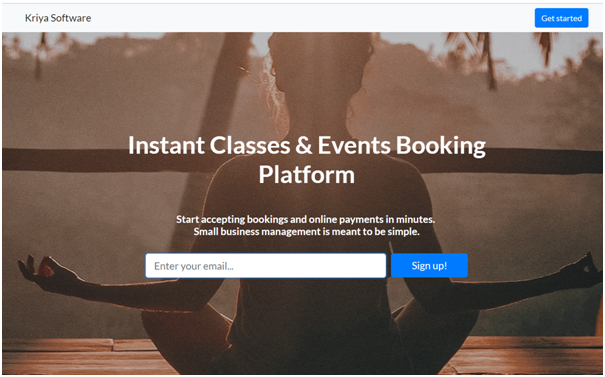
A spreadsheet can plan the first week. It is a poor public booking system. People should see times, book, pay and cancel without a long message thread.
New teachers can start with the booking guide for new yoga teachers or CoreBookings for new studios. Compare tools in the Australian studio software guide, the yoga studio app guide and the teacher software guide. CoreBookings can take passes, payments and check-in once the offer is written down. Set an intro pass with the account setup checklist. See current plans or request a demo.
8. Get found on Google
A second Instagram theme does less than a complete Google Business Profile. List the business on Google, add hours, photos and the booking link, and keep the name consistent with ASIC.
A simple website is enough at the start. If you still need one, use Squarespace or Wix. Live classes belong on your own booking page more often than on Udemy. If you stream, the practical notes are in using Zoom for yoga and Pilates and teaching online classes.
9. Treat training as credibility, not a permit
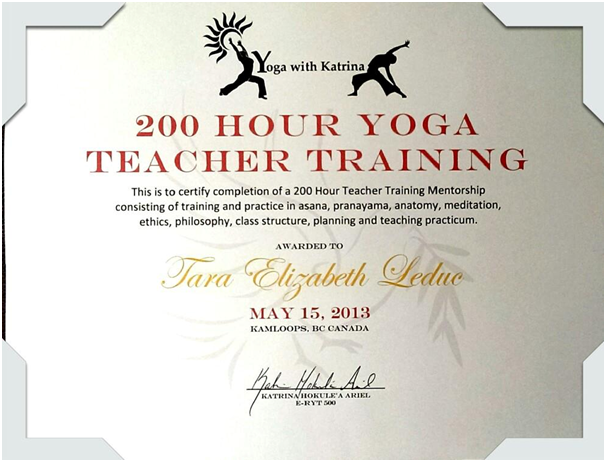
Insurers and students expect recognised teacher training and first aid. Yoga Australia currently lists Provisional Teacher from 200 hours and Level 1 Teacher from 350 hours. Those are membership grades. Registration is not a licence to set up a studio in Australia.
If you still need a course, start with 200-hour teacher training in Australia. After that, building confidence as a new teacher matters more than collecting extra certificates. Keep learning because the teaching gets better, not because a council asked for another badge.
10. Market locally first

Word of mouth still fills rooms, but only after someone can book. Start with:
- an intro offer people understand in one sentence
- a poster or flyer in places your students already visit
- an email list from the first booking
- Instagram or Facebook if you will post weekly, not once
- the practical ideas in how to fill your yoga classes and how to make your studio stand out
Paid ads and a marketing agency can wait until the booking path works. Twitter is no longer a useful default for Australian studios.
11. Keep records from day one
Write down income, refunds, teacher pay, super and receipts. From 1 July 2026, Payday Super means employers pay the 12% superannuation guarantee on payday. Read when yoga teachers receive superannuation before you call everyone a contractor.
Watch the $75,000 GST threshold. Our yoga teacher tax deductions guide includes a tax calculator for Australian resident estimates. The business side of yoga is usually cash flow and records, not the first class plan.
12. Grow only when occupancy pays
Patience matters when it means you do not add rent, staff or extra classes to look busy. Review attendance and waitlists. Duplicate a full class. Change or remove a quiet one. Then use how to increase class attendance, money-making ideas for yoga studios and how to grow a yoga studio.
A welcoming teacher still matters. Remember names, answer questions after class and make the next booking easy. That is customer service, not a substitute for a plan. A receptionist is not a day-one cost. Hire extra teachers only when the roster needs them; how to find yoga teachers covers the search.
Related tools and guides
Use these when one tip is not enough and you need the longer page.
Tools
- Yoga studio revenue calculator
- Pilates studio revenue calculator
- Yoga studio name generator
- Yoga teacher tax calculator
Start and open
- Launch a yoga studio in Australia
- Yoga studio vision statement
- Rent or hire a yoga studio
- Buying a yoga studio for sale
- Building confidence as a new yoga teacher
- How much yoga teachers make
Legal, insurance and the room
- Professional indemnity insurance
- Social media and cyber liability insurance
- Client agreement for a yoga studio
- Superannuation for yoga teachers
- Safe and healthy yoga studios
- Yoga in an outdoor public space
Bookings, timetable and software
- How to make a yoga studio schedule
- Booking system for new yoga teachers
- Booking system for new yoga studios
- Yoga studio management software in Australia
- Yoga studio app guide
- Yoga software for Australian teachers
- POS systems for yoga and pilates studios
- CoreBookings account setup checklist
- Intro passes and new-member deals
- CoreBookings client app
Marketing and growth
- List your studio on Google
- Email marketing for yoga studios
- How to fill your yoga classes
- Increase class attendance
- Make your yoga studio stand out
- Market corporate yoga
- Money-making ideas for yoga studios
- How to grow a yoga studio
Frequently asked questions
Do I need a yoga licence to start a yoga business in Australia?
No. There is no government yoga licence. You need ordinary business registration, insurance, and any council approvals that apply to your premises. Yoga Australia or Yoga Alliance membership is professional credibility, not a permit to trade.
Can I start a yoga business from home?
Yes, many teachers start at home, in a hired hall, or online. Check council rules, neighbours, parking and insurance before you advertise a home studio. A dedicated lease can wait until the timetable can cover rent.
How many hours of training does Yoga Australia require?
Yoga Australia lists Provisional Teacher from 200 hours and Level 1 Teacher from 350 hours. Those levels are membership grades. They are not a legal licence to open a studio.
When should I register for GST?
Register when your GST turnover reaches, or is likely to reach, $75,000 over a 12-month period. Non-profits use a $150,000 threshold. This is general information, not tax advice.
What should I do first: a website, a lease or a booking system?
Write the offer, prices and a small timetable first. Then register and insure. A simple Google listing and a way to take bookings come next. A lease and a polished website can wait until people are already paying.
Start smaller than the brochure version of a studio. Register the business, insure the teaching, publish a timetable people can book, and add rent only when the numbers hold. For the longer opening sequence, continue with the Australia studio launch checklist.