
How To Legally Hold Yoga Retreats In Bali?
Yoga retreats in Bali involve several legal considerations to ensure your yoga event complies with local regulations. Bali, in Indonesia, is a popular destination for yoga retreats.

Table of Contents
Yoga Retreats in Bali
Yoga retreats in Bali involve several legal considerations to ensure your yoga event complies with local regulations. Bali, in Indonesia, is a popular destination for yoga retreats.
Retreat-style travel sits alongside the wider shifts we cover in our 2026 yoga trends roundup.
People choose Bali because of its awesome natural landscapes, lush green rice terraces, tropical forests, and beautiful beaches. These serene and wonderful surroundings provide an ideal environment for yoga and meditation.
Besides its surroundings, Bali is known as the island of Gods and is home to many Buddhist and Hindu temples, which create spirituality in the atmosphere.
This aligns well with yoga principles and attracts those seeking a deeper connection with themselves and their surroundings.
Also, the weather in Bali is warm throughout the year. This tropical climate is conducive to outdoor yoga practices, and many retreats incorporate outdoor yoga sessions to take advantage of the natural surroundings.
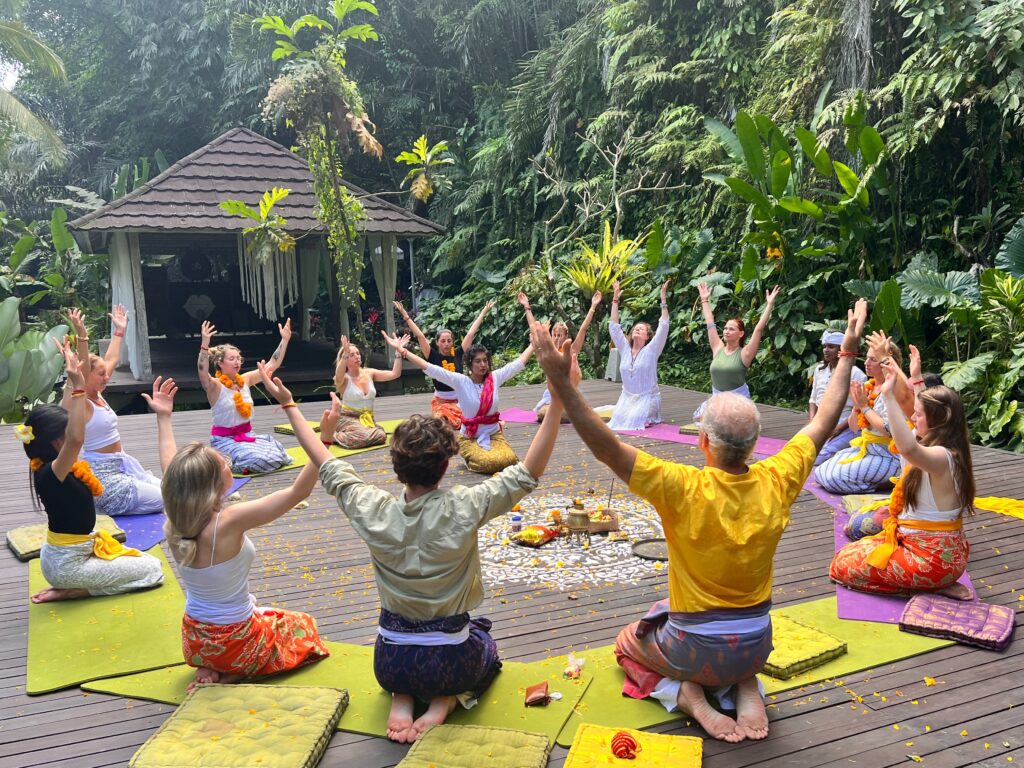
How to Legally Hold Yoga Retreats in Bali
Now that you know Bali’s outstanding culture and surroundings, you think of legally holding yoga retreats in Bali. Is that easy? Not that easy.
As you prepare to visit another country and do business, you need specific rules and regulations. The business side of running yoga retreats has its own paperwork and cash-flow questions too.
You can term them as legal formalities you must acquire and fulfil before legally holding yoga retreats in Bali.
Licenses and Permits
- Business Registration
- Visas and Work Permits
- Tax Obligations
- Land Use and Permits
- Event Permits
- Insurances
- Comply local laws
1. Business Registration
To have yoga retreats in Bali means you are doing business, right? Thus, you need to have a business license. Our tips to start a yoga business cover the wider setup path if you are building this from Australia first.
To legally host a yoga retreat in Bali, you must register a business entity. There are two options:
- PT PMA (Foreign-Owned Company): If you plan to operate long-term, a PT PMA (Perseroan Terbatas Penanaman Modal Asing) allows foreign ownership.
- Under BKPM/Ministry of Investment and Downstream Industry Regulation No. 5 of 2025 (effective 2 October 2025), the minimum paid-up capital is IDR 2.5 billion (roughly US$150,000), deposited after your business number (NIB) is issued and locked in the company account for 12 months (usable for genuine business costs such as assets, construction, or operations).
- Your total investment plan must still exceed IDR 10 billion per 5-digit KBLI code per project location (roughly US$600,000), excluding land and buildings. This can be met progressively rather than all upfront. Confirm the current figures with BKPM or an Indonesia-based company-registration advisor, since both the IDR thresholds and USD equivalents can shift.
- Local Partnership (PT): If you do not want to establish a PT PMA, you can partner with a locally registered business (Indonesian-owned PT) to legally operate under their business license.
Business registration must be completed via the Online Single Submission (OSS) system, managed by BKPM, now formally the Ministry of Investment and Downstream Industry.
Many one-off hosts skip setting up a company entirely by booking a licensed hotel or retreat venue, or paying a registered local event organizer to run the retreat. The venue or organizer holds the relevant tourism and event licences and invoices participants directly.
You (or any foreign teacher) still need the correct visa described below. Setting up your own PT PMA makes more sense once you are running retreats regularly as your own Indonesian business.
“This solution is more beneficial for people looking to organize more than two events or retreats per year.” Florent Delente, ILA Global Consulting
For a smaller domestic comparison, see our write-up on yoga and meditation retreats in NSW and how to run a weekend yoga retreat through your booking system.
Nominee Agreements are actively enforced:
Indonesia continues to enforce action against Nominee Agreements, where a foreigner uses a local partner’s name to control a business without genuine local involvement.
Ensure your local partner is genuinely involved in the business to avoid legal risks.
More info: Indonesian Business Licensing & OSS and Emerhub’s guide to company registration in Bali.
2. Visas and Work Permits
You cannot legally teach, run sessions, or host a retreat in Bali on a plain visit visa, not even if participants pay you outside Indonesia.
The activity happens in Indonesia, so it counts as work performed in Indonesia regardless of where the invoice is settled.
Indonesia retired the old B-series visa index. Tourism and general visits are now filed under C1, and dedicated business visits under C2. These replaced the former B211A and B211 codes.
If an agent still quotes you a “B211A,” ask which current index they will actually file, since older guides and forum posts still use the retired name.
For a work-based KITAS, your passport should generally have at least 18 months of remaining validity for a one-year stay permit (around 30 months for a two-year permit).
If you get a new passport partway through the application, the process typically needs to be redone against the new passport details.
Teachers based in Australia should also read how to become a yoga teacher in Australia before committing to an overseas hosting plan.
Company registration can take one to two weeks, and a work-based permit often needs more than a month after that.
“We recommend organizing the set up a few months before starting the activity.” ILA Global Consulting
Visa Requirements for Yoga Retreat Organizers and Teachers:
- C1 / C2 Visit Visas: Fine for scouting venues, meeting partners, or planning a retreat. Not valid for teaching classes, leading sessions, or hosting paying guests, regardless of where the money is paid.
- E23 Work KITAS: The standard route for a foreign teacher or on-the-ground organizer.
- It requires an Indonesian sponsor (your own PT PMA, a local studio or hotel, or an employer-of-record company) to secure RPTKA approval from the Ministry of Manpower before the KITAS is issued.
- RPTKA plus an accompanying notification now serve the role the older standalone “IMTA” work-permit document used to play. Teaching roles are commonly filed under an athletic-coach or recreation-services classification.
- E28A Investor KITAS: For a qualifying shareholder in your own PT PMA (commonly requiring a personal shareholding of around IDR 10 billion, separate from the PT PMA’s minimum paid-up capital).
- It lets you manage and supervise the company (sign contracts, hire staff, sit on the board) but it does not let you personally teach classes or perform hands-on instructor work. Doing so is treated the same as working without a permit.
- C7C Skill-Demonstration Visa: A short-stay option some guest teachers use for a single invited workshop, sponsored by an Indonesian event or venue.
- It is not a substitute for an E23 if you teach regularly or run your own retreats, and its exact duration and payment rules should be confirmed with immigration counsel before relying on it.
- E33G Remote-Worker (Digital Nomad) Visa: For people earning income from clients or an employer outside Indonesia. It does not cover teaching, organizing, or being paid for a retreat delivered in Bali. That is still local work and needs an E23 or the sponsor route above.
Enforcement is active and ongoing:
Indonesian immigration continues to enforce these rules, including against instructors paid from overseas for retreats actually delivered in Bali.
Teaching or organizing without the correct work-based permit can result in fines, deportation, or blacklisting from re-entry.
Directors and commissioners who are not physically performing day-to-day work in Indonesia may be able to hold their role without a separate work permit.
Anyone present on the ground and actually working, including teaching, generally needs the matching stay permit for that activity.
Visa categories, sponsor requirements, and enforcement priorities in Indonesia change often. Treat everything on this page as a starting point, not current legal advice.
Before running a retreat, work with an Indonesia-based immigration and tax lawyer to confirm today’s visa requirements, application process, and any recent regulatory changes for your specific situation.
More info: KITAS overview and the official Indonesian e-Visa portal.

3. Indonesian Tax Requirements for Yoga Retreats
You may need to understand and comply with Indonesian tax regulations.
- Tax ID (NPWP): All businesses must register for a Taxpayer Identification Number (NPWP).
- Value-Added Tax (VAT): Services, including yoga retreats, are generally subject to VAT once you cross the PKP registration threshold (annual turnover over IDR 4.8 billion). A small one-off retreat may sit below that line, but check with a local accountant rather than assuming either way.
- Indonesia’s statutory VAT rate rose to 12% on 1 January 2025, but under Minister of Finance Regulation No. 131 of 2024, most goods and services (including retreat-style offerings) are taxed on an adjusted base that keeps the effective rate at 11%; only luxury goods pay the full 12%.
- Income Tax: If your business earns revenue from retreats in Bali, it is generally subject to Indonesian corporate income tax, and any staff you employ locally are subject to payroll income tax (PPh 21).
- Withholding Tax for Foreigners: Payments to foreign instructors or overseas suppliers are subject to a standard 20% withholding tax under Income Tax Article 26.
- A tax treaty can reduce the rate to as low as 5–15% depending on the country, if the recipient provides a Certificate of Domicile.
As you are now conducting business by holding yoga retreats, this may include registering for taxes, obtaining a tax identification number (NPWP), and fulfilling other tax obligations.
Keep detailed records of your financial transactions related to the retreat. The broader challenges on the business side of yoga apply once you start hiring staff or paying instructors across borders.
- You will likely need to obtain a Tax Identification Number (Nomor Pokok Wajib Pajak or NPWP) for your business. This is a unique number assigned to entities for tax purposes.
- In Indonesia, Value Added Tax (VAT) applies to certain goods and services. Check whether your yoga retreat services are subject to VAT and understand the rate applicable.
- Retreat organizers must comply with Indonesian tax laws, including registering for an NPWP, paying VAT on retreat services at the current applicable rate, and withholding tax for payments to foreign instructors.
- You may need to withhold tax if you pay non-resident individuals or businesses (such as instructors, vendors, or service providers).
- Stay informed about the required tax reporting deadlines and comply with all reporting obligations.
- Be aware of any local taxes or levies that may apply to your business activities. Local regulations can vary, so you must check with the relevant authorities in the area where you plan to host the retreat.
- If you hire employees to assist with the retreat, be aware of your obligations regarding payroll taxes, social security contributions, and other employment-related taxes.
As said above, maintain accurate and organized financial records. Proper record-keeping is essential for tax compliance and can help in the event of an audit.
Check if any tax treaties between Indonesia and your home country may affect your tax liabilities.
Engage the services of a local tax professional or accountant who specializes in Indonesian tax law. They can provide tailored advice based on your specific business structure and activities.
More info: Indonesian tax office (English).
4. Land Use and Permits
When organizing a yoga retreat in Bali, you must consider the land use and obtain the necessary permits to ensure your event complies with local regulations.
Retreat venues must comply with zoning regulations, and land use approvals must be secured through the OSS system before construction or a change of use.
This generally runs as a sequence of PKKPR/KKKPR (spatial-use conformity), then PBG (building approval), then SLF (fit-for-use certificate).
This may also involve coordination with the village or subdistrict office and the Bali Provincial Government, especially for temporary or outdoor event structures.

5. Event Permits
Depending on the size and nature of your yoga retreat, you may need event permits. Check with local authorities to understand the specific licenses required for organizing events in the chosen location.
An environmental impact assessment (AMDAL) may be required for larger events or those held in environmentally sensitive areas. This assessment evaluates the potential impact of your activities on the environment.
If you plan to construct temporary structures or alter existing buildings, check if you need building permits. This is especially important for larger retreats with infrastructure requirements.
Also, familiarize yourself with any additional local regulations that may apply to your location. These can vary between regions in Bali.
Working closely with local authorities, including village officials and relevant government departments, is essential to understand and fulfil all the requirements. See also Bali Group Organizer’s event-permit policy as a starting point.
6. Insurances
When conducting a yoga retreat in Bali, you must have the appropriate insurance coverage to protect yourself, your participants, and your assets.
While specific insurance requirements can vary based on factors like the size of your retreat, the activities involved, and the location, here are some common types of insurance you should consider:
- Liability Insurance: Liability insurance is crucial to cover potential injuries or accidents during the retreat. This can include coverage for bodily injury, property damage, and legal expenses. Ensure the policy is comprehensive and tailored to the specific activities of your retreat.
- Professional Indemnity Insurance: If you provide professional services such as yoga instruction, consider professional indemnity insurance. This type of insurance protects you if a participant claims that your professional advice or services caused them harm.
- Cancellation Insurance: Cancellation insurance can provide coverage if you must cancel the retreat due to unforeseen circumstances, such as natural disasters, illness, or other emergencies. It can help reimburse you for pre-paid, non-refundable expenses.
- Travel Insurance: While participants are generally responsible for their travel insurance, it’s a good idea to recommend or require that they have coverage for trip cancellations, medical emergencies, and other travel-related issues.

The other insurances can include:
- Property Insurance: If you bring valuable equipment or have invested in temporary structures for the retreat, property insurance can protect against losses or damage to your assets.
- Workers’ Compensation Insurance: If you hire staff or assistants for the retreat, you may need workers’ compensation insurance to cover medical expenses and lost wages in case of work-related injuries or illnesses.
- Vehicle Insurance: If you provide transportation services as part of the retreat, ensure that the vehicles are correctly insured. This includes coverage for accidents, injuries, and property damage.
- Event Insurance: Consider event insurance to cover a range of unforeseen circumstances, including venue issues, vendor cancellations, or other disruptions that could impact the retreat’s success.
- Health Insurance for Participants: While not your direct responsibility, it’s a good practice to recommend that participants have health insurance coverage to handle medical expenses during their stay in Bali.
- Legal Assistance Insurance: Insurance coverage for legal assistance can be beneficial in the event of legal issues. This may include coverage for legal fees and related expenses.
Before purchasing insurance, carefully review policy terms, coverage limits, and exclusions.
Work with an experienced insurance advisor who understands the specific needs of yoga retreats in Bali to ensure that you have comprehensive coverage tailored to your unique situation.
If you plan to film or promote the retreat online, read our notes on social media liability insurance as well. Additionally, be aware of any local regulations that may influence the types of insurance you need.
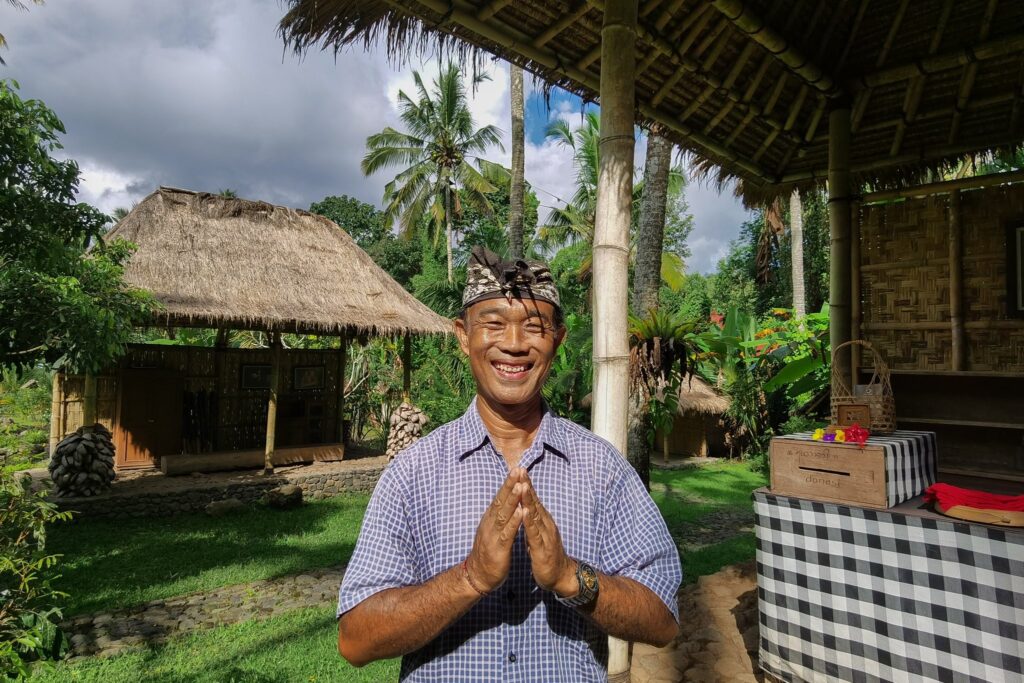
7. Comply with local laws
The local laws in Bali are inseparable from the local community and the people who live there.
Build your retreat marketing with the same respect you would apply to a studio newsletter at home: clear information, no hype, and no promises you cannot keep on the ground.
Familiarize yourself with and adhere to local regulations regarding noise, environmental impact, waste disposal, and other factors that may affect your retreat.
You must draft clear and legally binding client agreements for participants, instructors, and any vendors or service providers you work with during the retreat.
Have to respect and adhere to local customs and cultural norms. Ensure your retreat activities are culturally sensitive and do not violate local traditions. For visitor etiquette, see Bali’s do’s and don’ts.
Working with a local legal consultant or business advisor who understands the regulatory landscape in Bali can significantly assist you in navigating these requirements.
Additionally, building good relationships with local communities and authorities can contribute to the success of your yoga retreat.
Conclusion
Legally, holding a yoga retreat in Bali requires careful consideration and adherence to local laws and regulations. You must navigate legal complexities to ensure a seamless and compliant event.
Meticulous planning is essential for obtaining business licenses and land use permits, addressing visa requirements for foreign instructors, and securing appropriate insurance coverage.
Understanding and respecting local customs and environmental considerations and building positive relationships with the community further contribute to the success of a yoga retreat in Bali.
Engaging local legal professionals and event planners with knowledge of Bali’s regulatory landscape is highly recommended.
Collaboration with local authorities, cultural sensitivity, and a commitment to sustainability is integral to pursuing a harmonious and legally sound yoga retreat.
By addressing these aspects conscientiously, you can create an enriching and fulfilling experience for participants while maintaining the integrity of their event within the legal framework of this captivating Indonesian island.
Back home, the operational side still matters: launching a yoga studio in Australia, choosing a booking system for new yoga teachers, and growing a yoga studio are the pieces most Australian hosts need once the Bali legal path is clear.
Free download: Bali yoga retreat legal checklist
Print this one-page checklist and tick off each step as you confirm visas, company setup, tax, permits, insurance, and local-law requirements before you sell places or confirm dates.
- Hosting path: licensed venue, local PT, or PT PMA
- Visas and work permits for every foreign teacher
- Tax, land use, and event permits
- Insurance, contracts, Nyepi, and import logistics
Download the PDF checklist (print and fill in as you go).
Sources
- Online Single Submission (OSS), the official system for PT PMA registration, KBLI classification, and land-use approvals (PKKPR/KKKPR, PBG, SLF).
- Directorate General of Immigration e-Visa portal, the official application route for C1/C2 visit visas and E23/E28A KITAS.
- Direktorat Jenderal Pajak (Indonesian Tax Office), for NPWP registration, VAT (PPN), and Article 26 withholding-tax rules.
- Withers Worldwide, on BKPM Regulation No. 5 of 2025: the IDR 2.5 billion paid-up capital reduction, the 12-month lock-up, and the unchanged IDR 10 billion per-KBLI investment threshold.
- Goods Across Borders, Importing Into Indonesia: the current ~US$3 de minimis threshold, down from US$75 since PMK 199/2019 (January 2020).
- Emerhub, Guide to Teaching Yoga in Bali: the RPTKA/work-KITAS pathway for foreign yoga instructors and why a tourist or investor visa is not a substitute.
- ILA Global Consulting, How to conduct legally a retreat and event in Bali: organizer-of-record vs PT PMA paths and realistic setup timelines.
FAQs
What legal requirements must I fulfil to organize a yoga retreat in Bali?
You need a business license, land use permits, and event permits. Register a PT PMA (foreign-owned company) or partner with a local PT business to operate legally.
Are there specific visa and work permit regulations for foreign instructors participating in the yoga retreat?
No visit visa (the current C1 or C2, formerly called B211A/B211) allows teaching or hosting a retreat, paid or unpaid.
Foreign instructors need an E23 Work KITAS (or an E28A Investor KITAS if managing, not teaching, their own PT PMA) to work legally in Bali.
Can I import yoga mats or retreat gifts to Bali?
Yes, but the duty-free threshold for incoming shipments is now only around $3 USD per package. The old $75 allowance ended in 2020.
Passengers carrying personal-use goods in their own luggage get a separate $500 USD allowance per arrival.
It’s usually simpler and cheaper to source items locally. If you still need gear, see our guide to yoga mats to buy now.
Are there restrictions I should follow?
Yes. Avoid yoga in temples, respect noise limits after 10 PM, and follow Nyepi (Day of Silence) rules.
The whole island, including the airport, shuts down for 24 hours (next observed 8 March 2027). Do not schedule retreat arrivals, departures, or outdoor sessions on that date.
Can I market my retreat online?
Yes, but ads must comply with local laws. Avoid misleading claims, read our tips on yoga advertisement poster design, and work with a local marketing expert if needed.
Do I need insurance for my retreat?
Yes. Get liability insurance, event insurance, and travel insurance for participants.
What’s the best way to organize multiple retreats in Bali?
Set up a PT PMA company with an E23 Work KITAS for each teaching instructor if running regular retreats. This gives you legal operation and long-term compliance.
An Investor KITAS alone does not authorize you to teach. For the wider business path, see how to grow a yoga studio.