
What Yoga App is Everyone Using?
Seven yoga apps people use in 2026, from Down Dog and Glo to free ALO Wellness Club classes. Features and prices checked against official sources.
Practical guides, industry trends, and tips to grow your studio.
Seven yoga apps people use in 2026, from Down Dog and Glo to free ALO Wellness Club classes. Features and prices checked against official sources.
Twelve practical hygiene and safety tips to keep yoga studios clean, welcoming and ready for every class.
Why Yoga With Adriene remains a favourite for free online yoga, breathwork, stretch, and beginner-friendly practice at home.
Twelve 2026 tips for starting a yoga business in Australia: choose a model, register, insure, price classes and get bookings before you rent.
How to choose a 200-hour yoga teacher training in Australia, accreditation, Yoga Australia vs Yoga Alliance, and what to check first.
How to stream live Zoom yoga and Pilates classes on a smart TV for a bigger, clearer class experience.
Renting vs leasing a yoga studio space, the key differences and which option suits short-term or long-term teaching.
Seven practical tips to attract more students, from social media and referrals to a smoother booking experience.
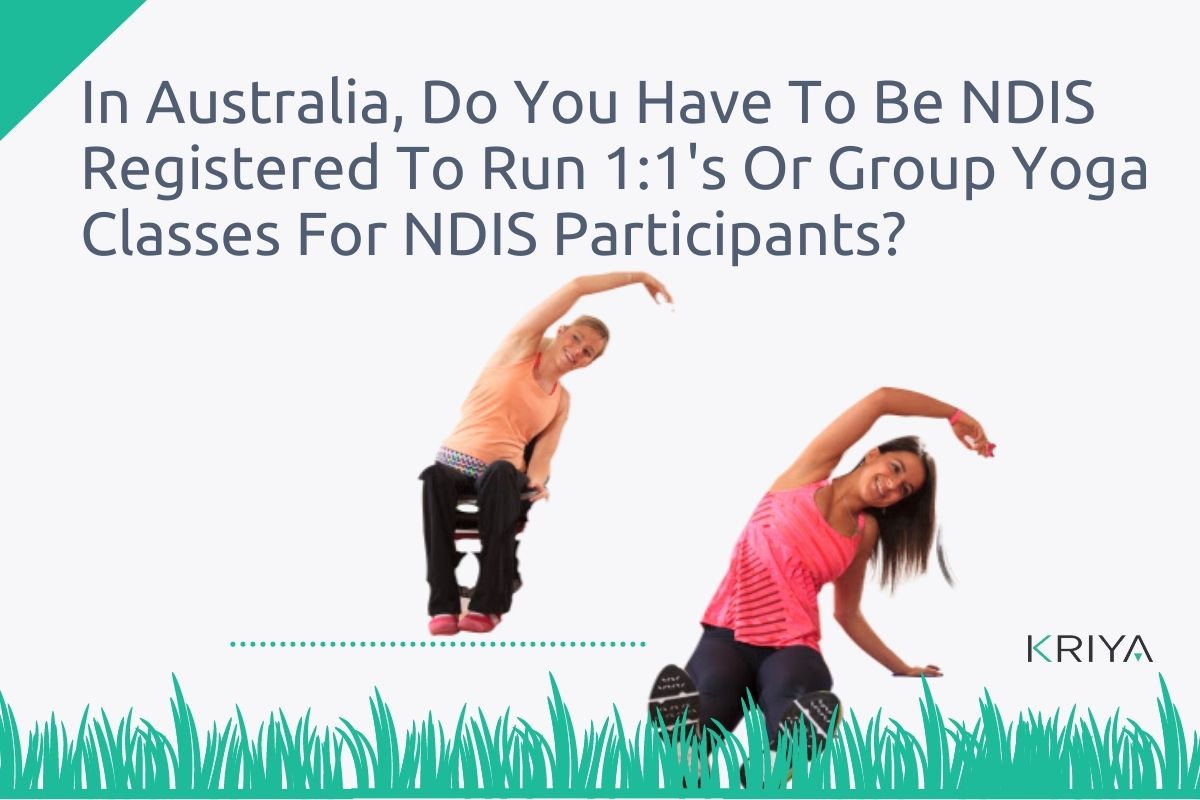
Do you need NDIS registration to run 1:1 or group yoga for participants in Australia? What teachers should know first.
How to pitch and deliver corporate yoga, shorter sessions, beginner-friendly sequences, and ways to win repeat gigs.
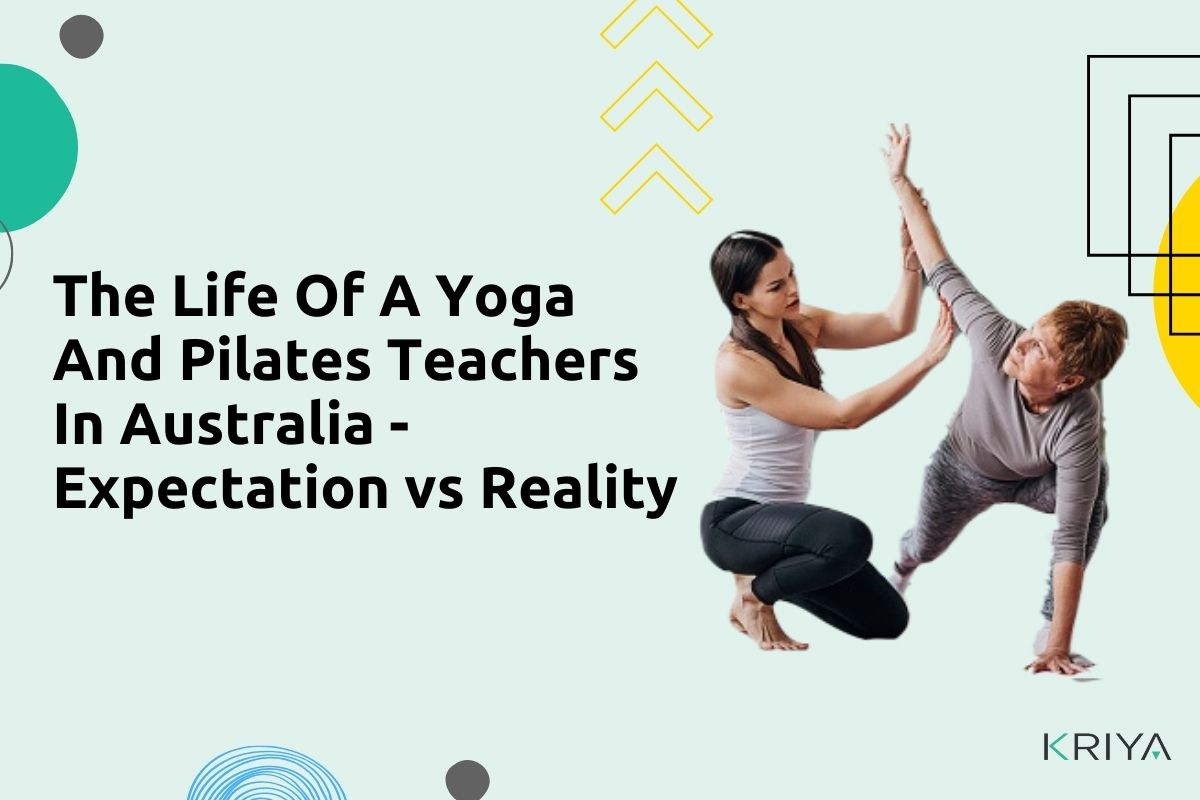
Expectation vs reality for yoga and Pilates teachers in Australia, what the work looks like once classes begin.
Why professional indemnity insurance matters for yoga teachers and studios in Australia, and what a good policy usually covers.
What Koan yoga and Koan meditation involve, and whether you can find this style of practice in Australia.
Six tips and resources to build confidence after 200-hour training, before and after your first paid classes.
Many new teachers face the same uncertainty. To help you build confidence and knowledge, here are some strategies, programs, and resources available in Australia that can support your journey to becoming a confident yoga teacher.
A great way to begin teaching is to start small. Choose a local park, pick a regular day, and invite a friend or two to join you for practice sessions. This relaxed environment allows you to develop your teaching dialogue and enjoy the process without pressure.
Practising regularly in this way will naturally boost your confidence and smooth the transition to teaching more formal classes.
As your confidence grows, it might be time to consider advanced training. Continuing your education is key to deepening your practice and refining your teaching skills. Take your time to research and find a trainer that resonates with you. For example:
Online resources can also be incredibly helpful, especially if you find a program that aligns with your style. Websites like Yoga Australia, Yoga International and even Gaia provide many resources for teachers at all levels.
I personally enjoyed At Home With Tanya, which offers online classes and mini-courses. I believe she is based in Bali.
Begin planning your classes, even if you’re not yet teaching. Prepare a class and practice teaching it aloud as if you were instructing a real group. This exercise will help you find your teaching voice and prepare you to teach actual students.
Pro Tip: Record yourself teaching. Analyze your language, pacing, and instructions. Practice with your recording.
If you’re seeking more personalized guidance, consider finding a mentor. For example:
Ultimately, the best way to build confidence is to start teaching, even if it’s just for friends, family, or at a smaller studio that supports new teachers.
Experience is the greatest teacher—don’t worry about making mistakes, as they are an essential part of the learning process. As you teach more, you’ll develop your unique style and gain clarity on what additional training (if any) you might want to pursue in the future.
Remember, there’s no fixed path to becoming a confident yoga teacher. It’s all about finding what works for you, continuing your practice, and embracing the journey. Every class you teach, no matter how small, brings you one step closer to becoming the teacher you aspire to be.
Stay connected with the broader yoga community through events, workshops, and Facebook groups. Your teaching journey is unique – embrace the learning process and trust in your ability to share yoga’s transformative power.
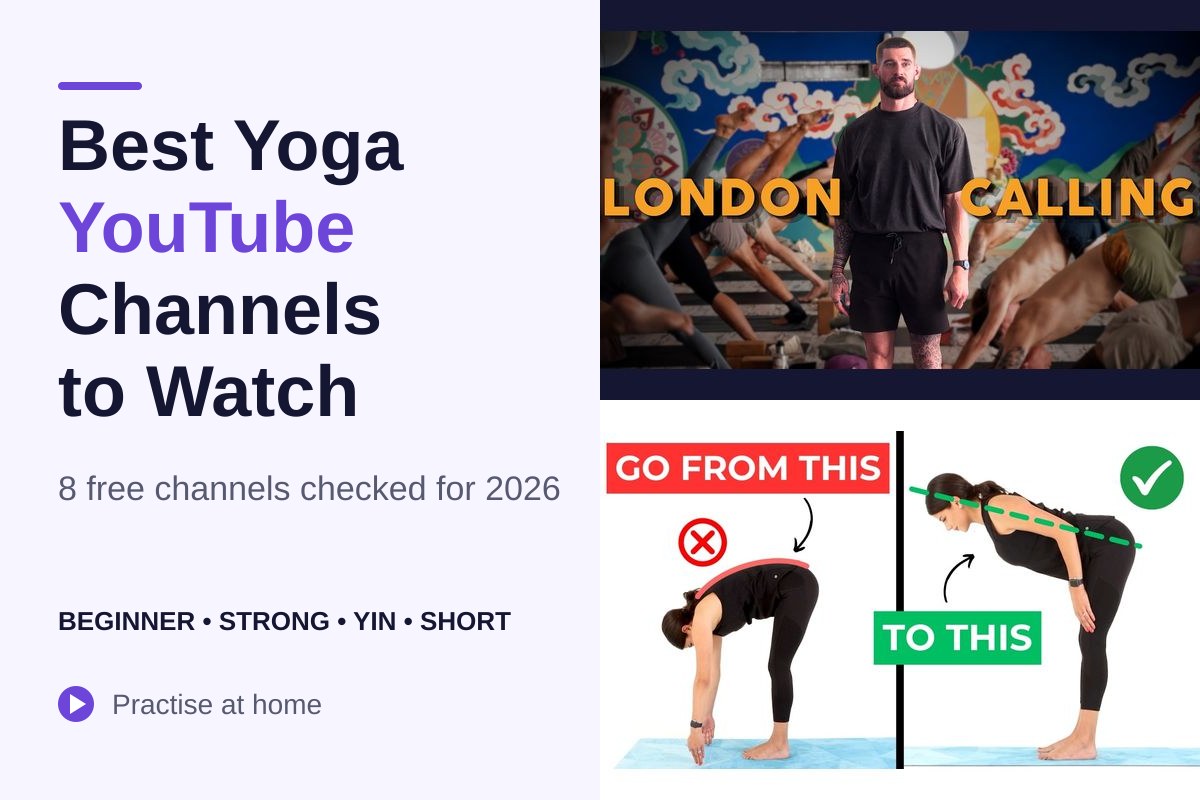
Eight free yoga channels for beginners, stronger flows, yin yoga and short practices, checked and updated for 2026.
Eight ways yoga studios can support New Year fitness goals, and keep clients motivated beyond January.
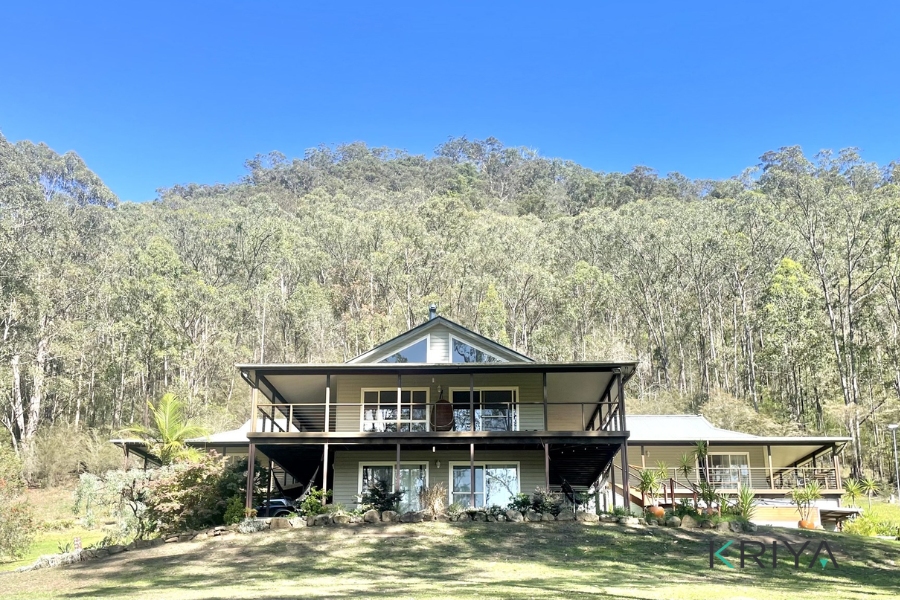
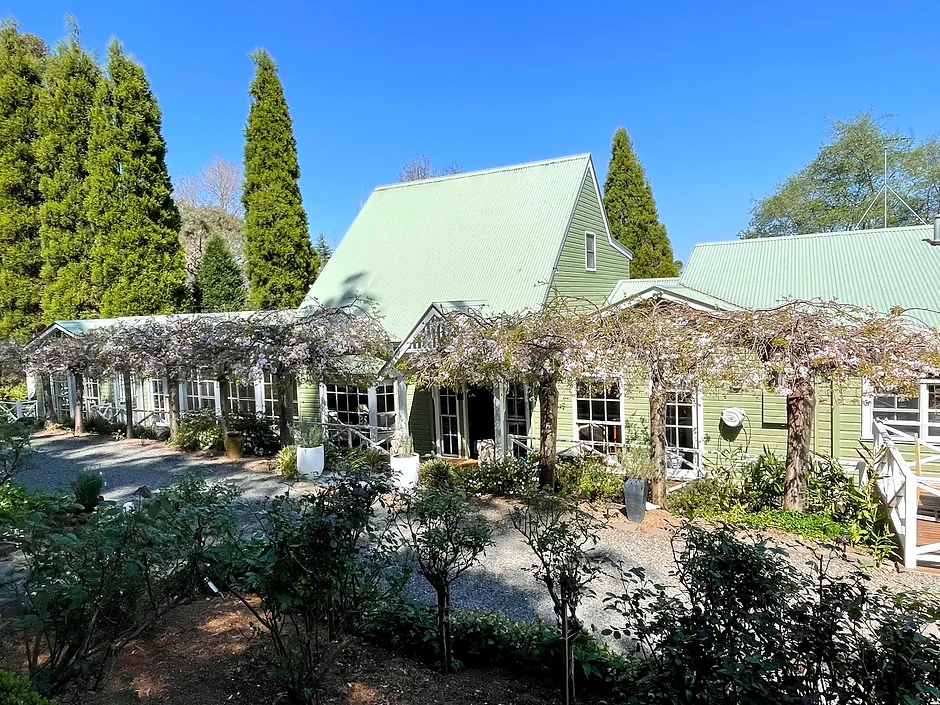
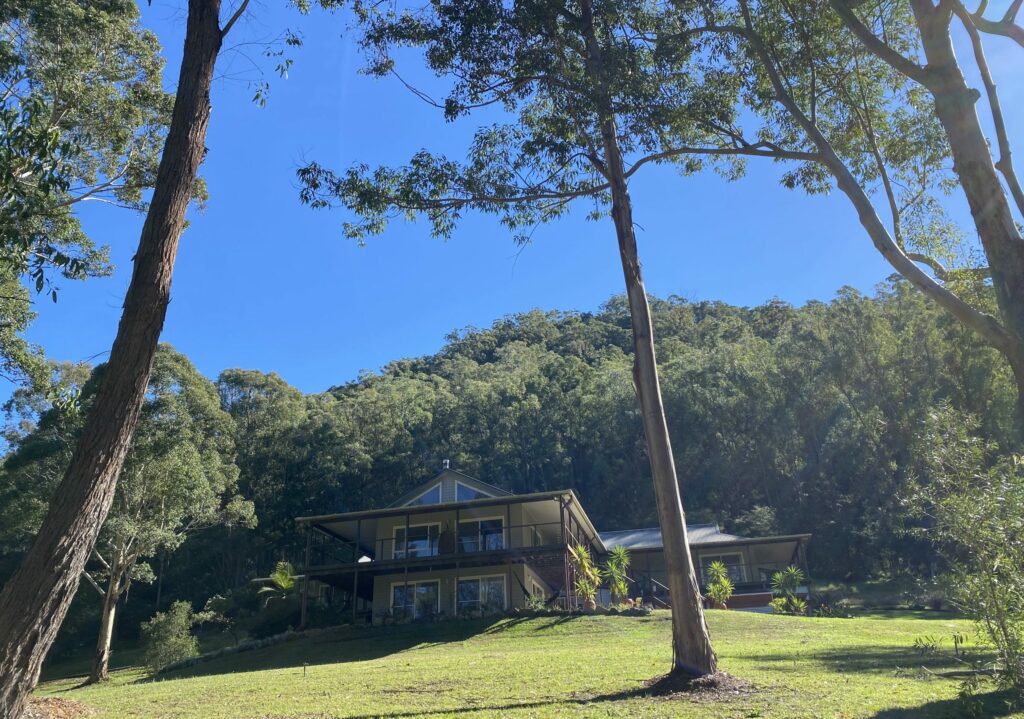
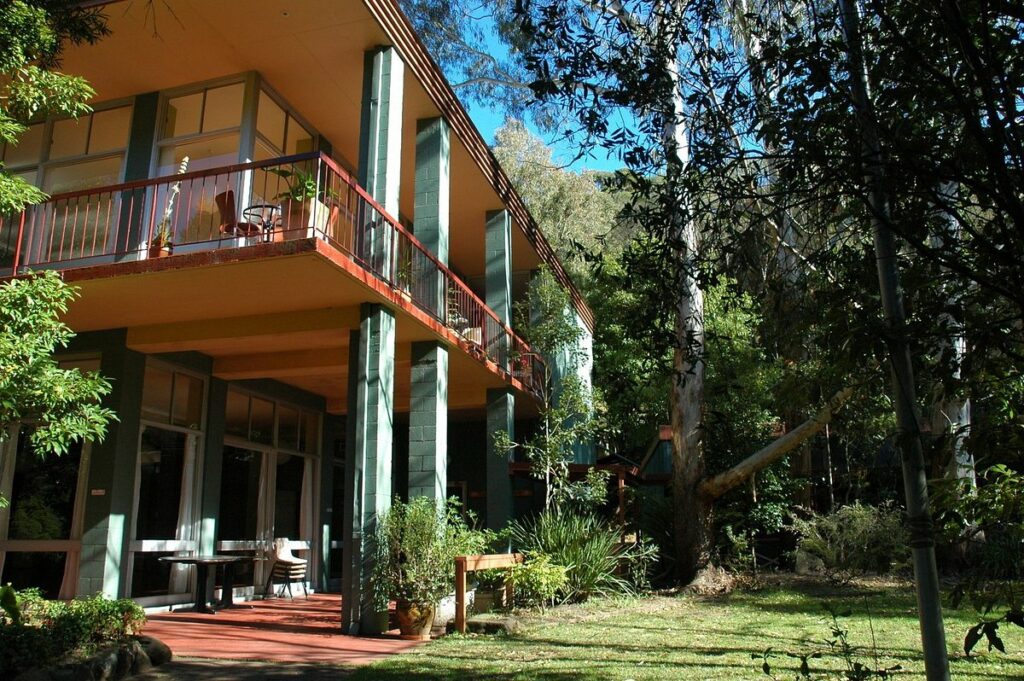
Ten retreat venues near Sydney suited to intimate yoga weekends, setting, accommodation, and what to weigh up.
To help you navigate this process, I’ve curated a list of the top 10 retreat venues near Sydney, each offering a unique blend of luxury, tranquillity, and convenience. These venues provide the ideal setting for a memorable and rejuvenating retreat experience.
The environment in which your yoga retreat takes place can significantly impact the overall experience. A thoughtfully chosen venue sets the tone and provides the space and atmosphere necessary for participants to relax, rejuvenate, and deepen their practice.
When selecting a retreat venue, several key factors should be considered to ensure a seamless and enriching experience:
Each location on this list has been carefully selected to offer a luxurious yet peaceful setting, with these considerations in mind, ensuring your retreat is memorable for all the right reasons.
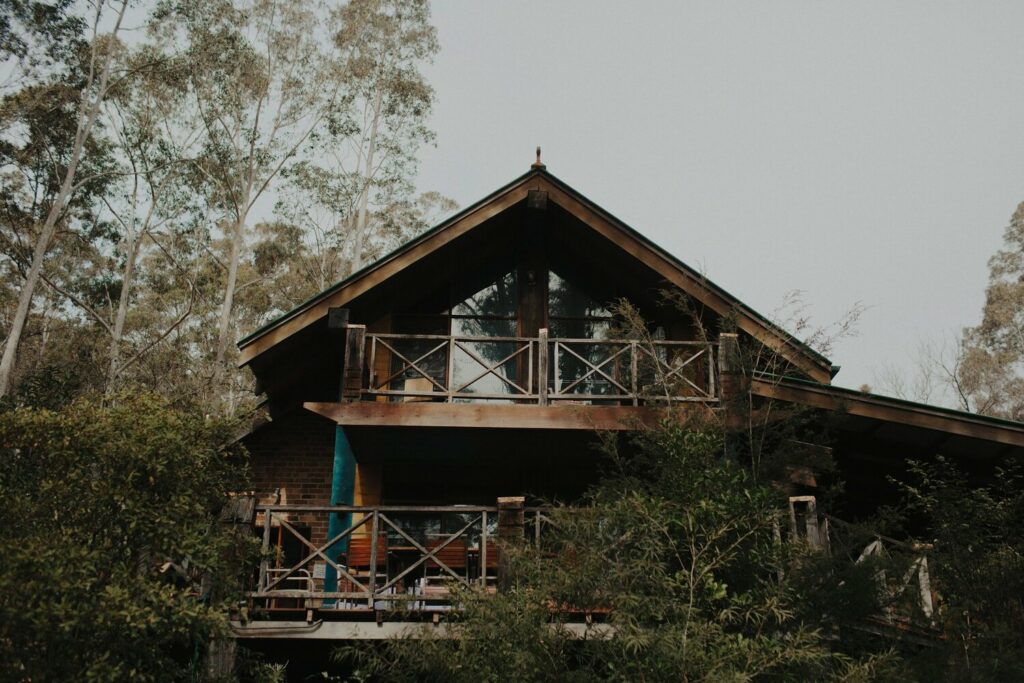
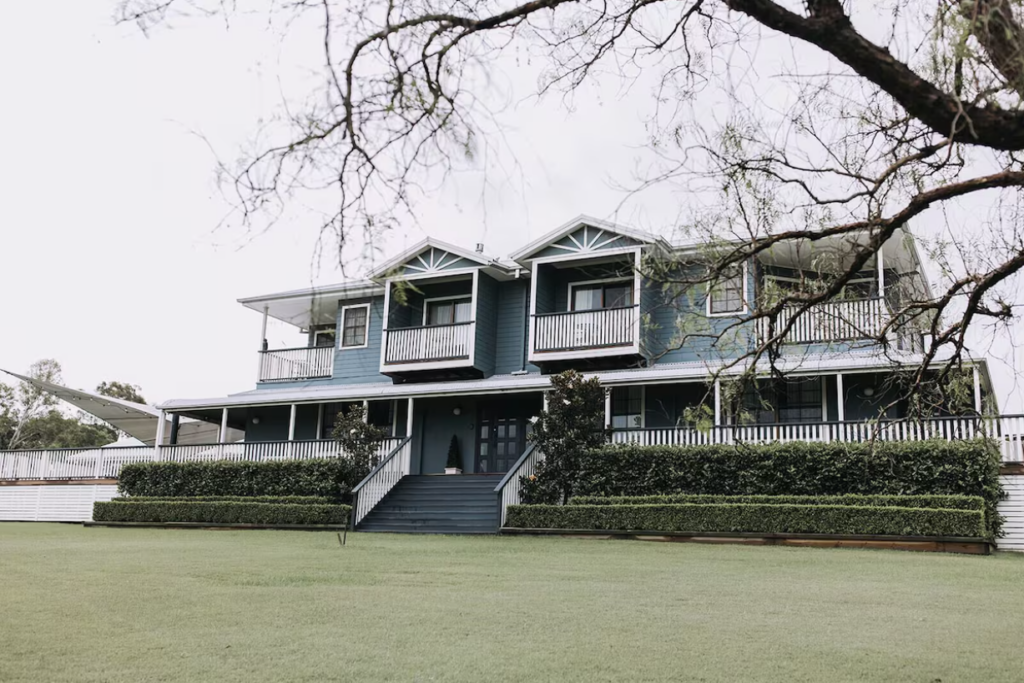
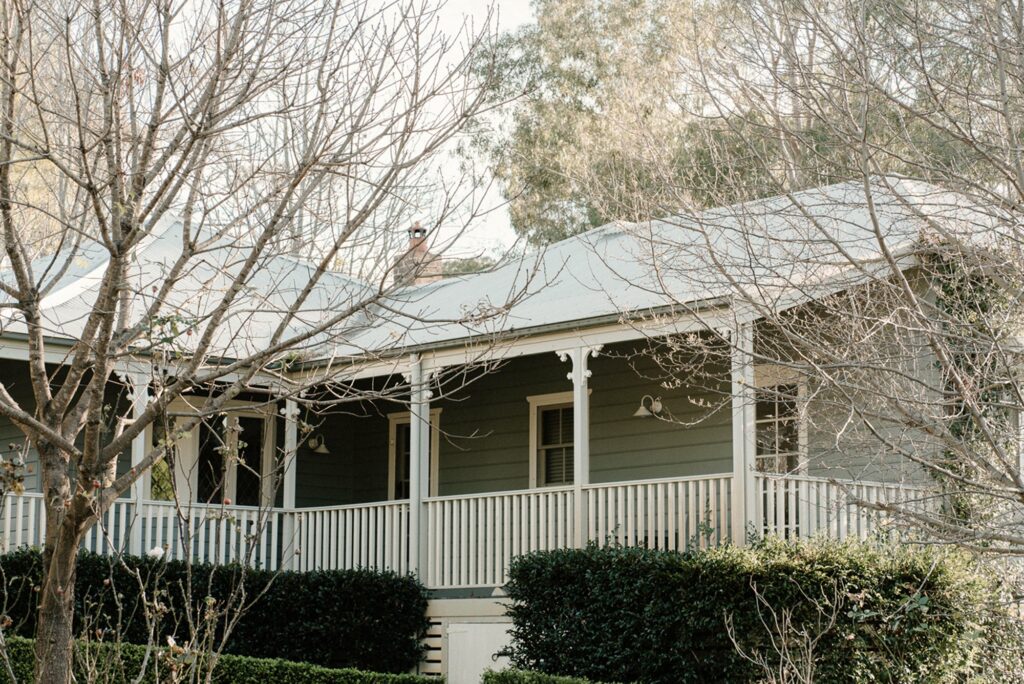
| Temporary close |
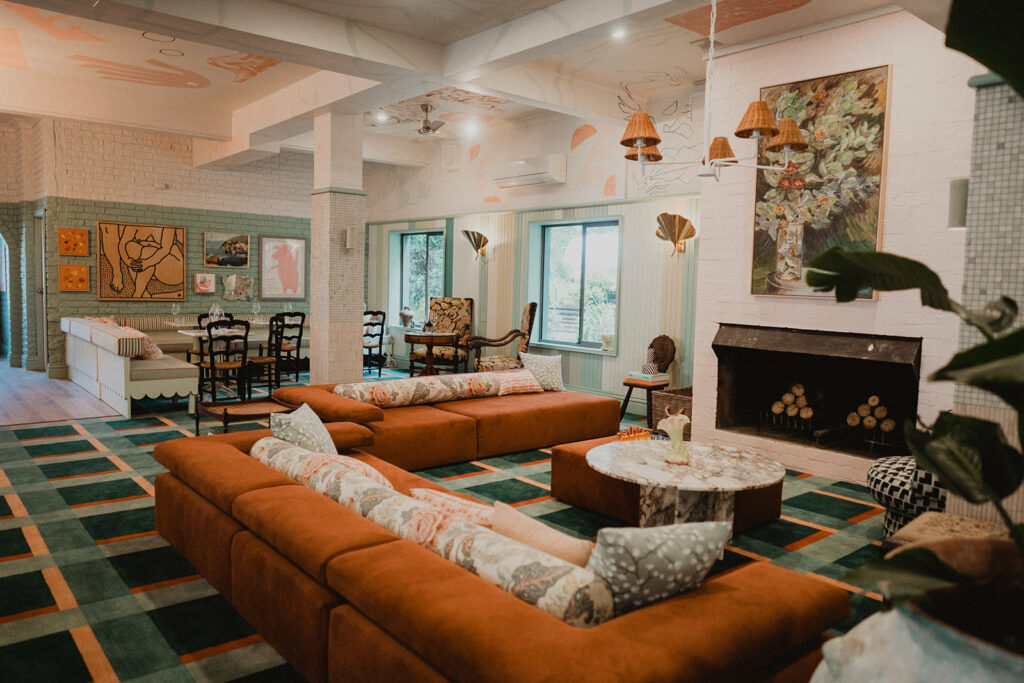
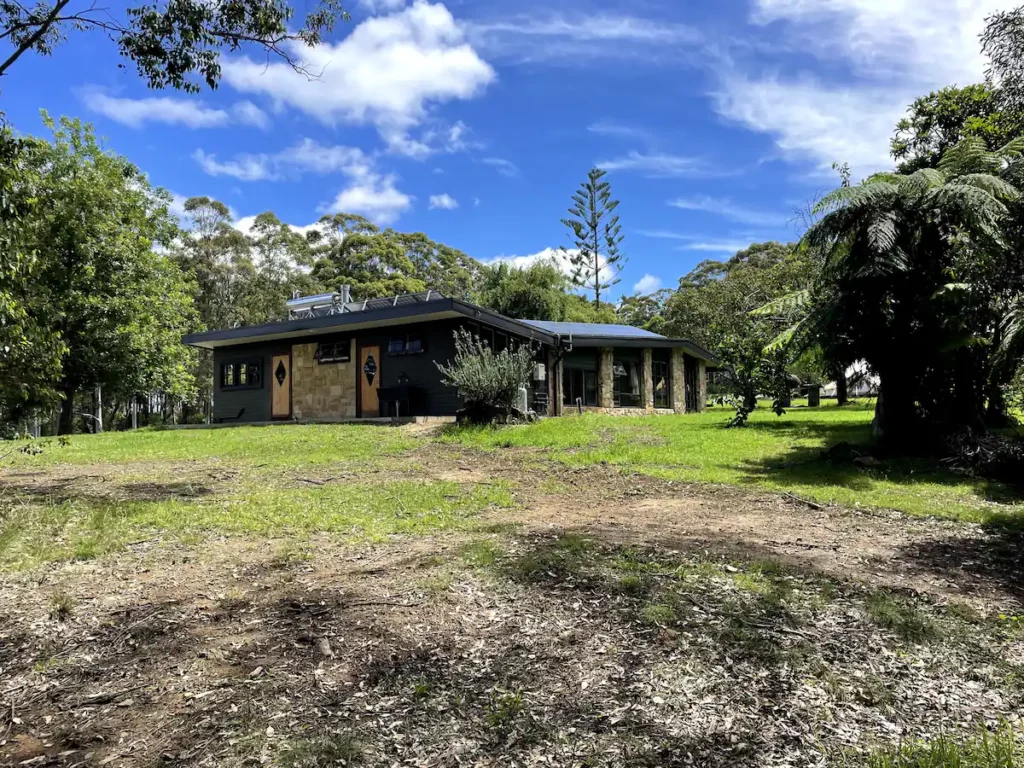
10. Farm House & Cabin in Canoelands
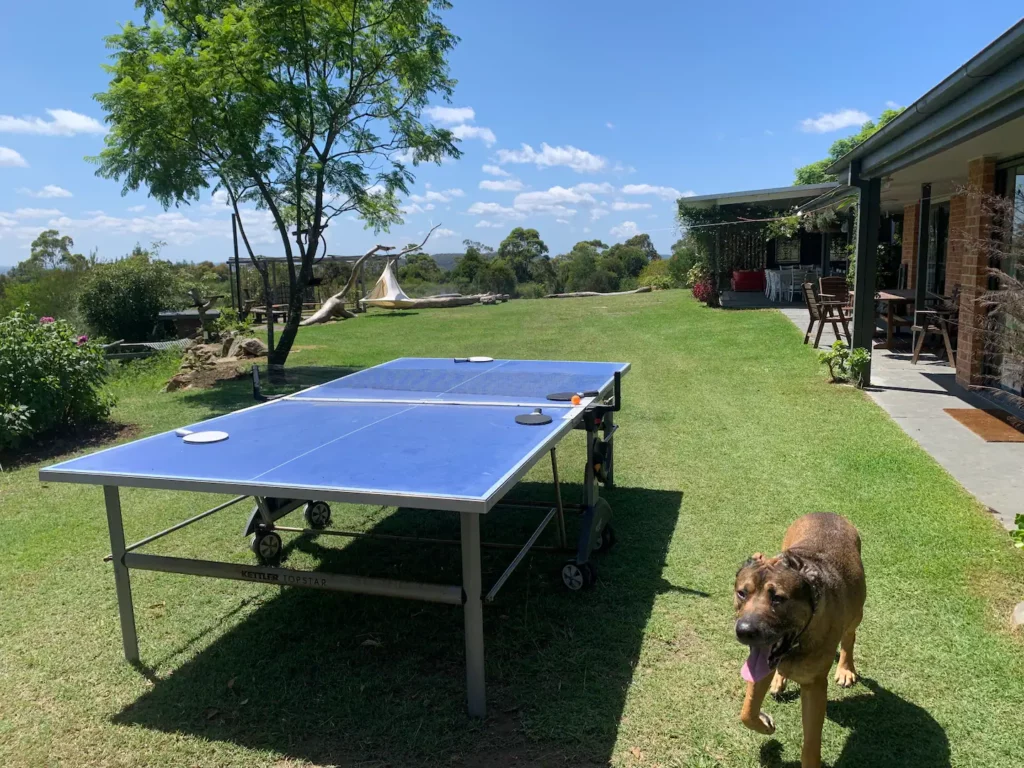
These venues offer a range of settings, from luxurious estates to rustic, nature-immersed spaces, all within 2-3 hours of Sydney. Whether you’re looking for a fully catered experience or a self-catering option, these venues cater to various needs and preferences.
When choosing the right venue, consider your group’s specific needs and desires. Here are some key questions to guide your decision:
Communal Spaces: Check if the venue has communal spaces like a dining area where everyone can gather and connect during meals.
Seclusion vs. Accessibility: Are you looking for a location that offers complete seclusion, or do you prefer something closer to shops? Some venues offer the perfect balance, providing a serene environment while being accessible.
Accommodation Requirements: Evaluate the accommodation options, including the number of rooms and bed sizes. Consider whether the venue can accommodate couples or if single beds are more appropriate for your group.
Budget Considerations: While luxury is appealing, balancing your budget is essential. More affordable yet equally beautiful options are available that don’t compromise on quality.
Outdoor and Recreational Facilities: Determine if the venue offers outdoor spaces for activities like hiking, swimming, or even a volleyball net, which can add variety to your retreat schedule.
Finding the perfect retreat venue near Sydney doesn’t have to be overwhelming. With so many beautiful options within a few hours of the city, you’re sure to find a location that meets your needs and exceeds your expectations.
Whether you’re seeking luxury, seclusion, or a connection to nature, these venues provide the perfect backdrop for an intimate yoga retreat that your participants will remember for years.
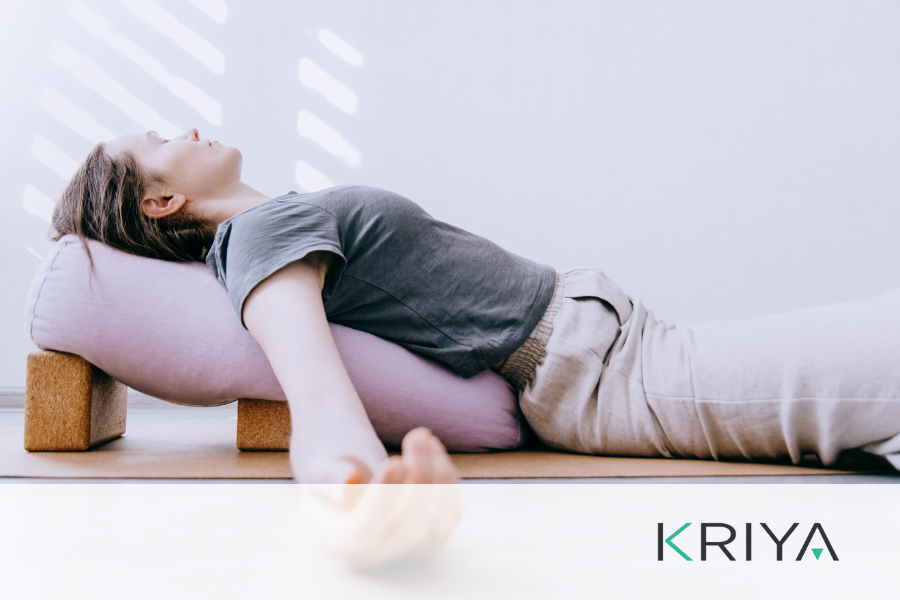
A personal guide to Iyengar yoga studios in Sydney, what to look for in teachers, props, and class style.
Here’s a guide based on my personal experiences to help you find a teacher who resonates with you and a studio within reasonably easy access.
My first stop was the Iyengar Yoga Institute of Bondi Junction. This studio quickly became one of my favourites. The atmosphere is welcoming, and the instructors are deeply committed to the Iyengar tradition.
I’ve attended classes with different teachers, each bringing their depth of knowledge and unique teaching style. My favourite teachers are Carole, Lisa, and Kirsten.
Classes are meticulously structured, ensuring every beginner or advanced student gets the most out of the session. Prices are reasonable, with drop-in classes around $25 and various class packs available for regular practitioners.
I discovered Elixr Health Clubs while looking for a studio that offered a variety of fitness options alongside yoga. While not exclusively an Iyengar studio, Elixr offers Iyengar classes that are well worth attending. The instructors are knowledgeable, and the facilities are top-notch.
The membership model means you can take advantage of other wellness services as well, but for those focused solely on yoga, they offer drop-in options.
A casual class costs around $30, and memberships start at $38 per week and give you access to all their classes and amenities.
One of the most profound experiences I’ve had in my yoga journey was at Pixie Lillas’ classes on Darling Street in Balmain. Pixie is one of Australia’s most senior Iyengar practitioners, and practising under her guidance is an experience every Iyengar enthusiast should seek out. Her classes are intense and deeply informative, offering insights that can only come from years of dedicated practice.
The studio maintains a traditional approach, with a strong focus on the foundational principles of Iyengar yoga. Class prices are around $25, with packages available for regular attendees.
The Marrickville Yoga Centre quickly became one of my go-to spots. This studio has a warm and inclusive vibe in the eclectic suburb of Marrickville. I’ve taken classes with several teachers, each bringing a deep understanding of Iyengar yoga. Whether you’re new to Iyengar or a seasoned practitioner, you’ll find a class that suits your level.
The pricing is accessible, with a drop-in class costing $24 and discounts for multiple class passes. Their head teachers, Peter Thomson and Erika Cranson, are well-respected figures in the Iyengar community.
The Neutral Bay Yoga Centre is a dedicated Iyengar school, and it’s clear from the moment you walk in. The teachers here are committed to upholding the high standards of Iyengar yoga, and the classes are thorough, challenging, and deeply rewarding. I particularly appreciate the smaller class sizes, which allow for more individual attention.
The centre’s head teacher, Simon Marrocco, is one of Australia’s most experienced Iyengar instructors. Classes are priced around $22, with various options available depending on your commitment level.
When I need a more intimate and serene environment, I head to Black Lotus Studio. This hidden gem in the inner city offers a variety of yoga styles, but their Iyengar classes stand out. The studio’s tranquil atmosphere and skilled teachers make it a perfect place for deepening your practice.
Classes are priced at $25 each, and they offer a first-timer deal, which is a great way to try out their offerings without committing to a full course.
If you’re looking for a retreat experience, The Yoga Nook offers an Iyengar yoga retreat suitable for teachers of any style. I attended one of these retreats and found it to be an invaluable experience. The retreat allows you to immerse yourself fully in the practice, surrounded by like-minded individuals in a peaceful setting.
It’s a great way to deepen your understanding of Iyengar yoga while also taking a break from the hustle and bustle of city life. The pricing varies depending on the length of the retreat, but it’s worth every penny for the experience.
Finally, the Australian Iyengar Yoga Association website is an excellent resource if you’re looking for more options or specific guidance. It offers a comprehensive list of certified Iyengar studios and practitioners across Sydney and Australia.
This site can help you find a new class, a workshop, or even teacher training.
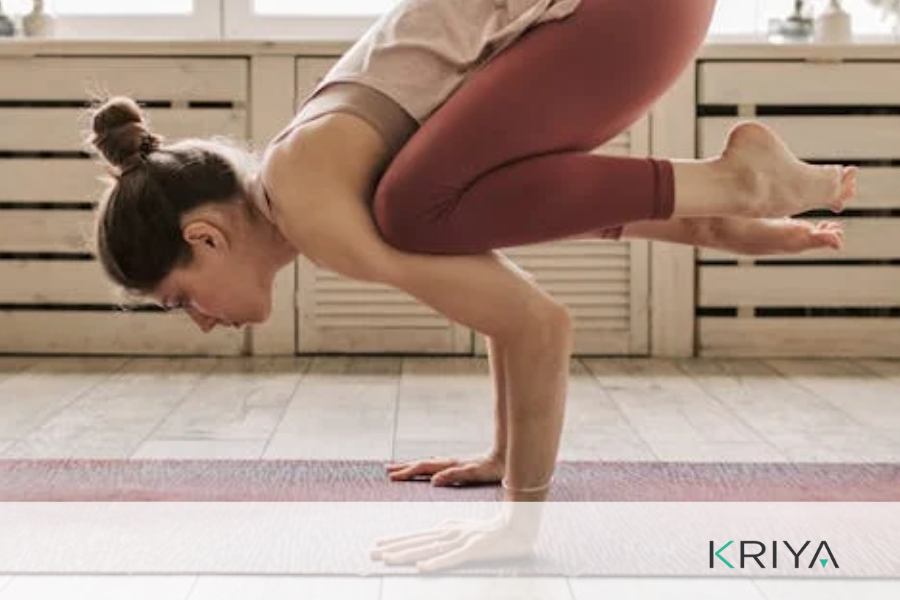
What Rocket Yoga actually is (and isn’t), a modern Ashtangi-inspired style explained for curious practitioners.
The beauty of yoga lies in its ability to evolve while staying rooted in tradition. The Ashtanga and Iyengar styles, developed over a century ago, have their foundations firmly planted in ancient practices, but that doesn’t mean yoga shouldn’t evolve with modern science and the needs of today’s practitioners—though, of course, not in a way that diminishes its essence.
Rocket Yoga, a modern and dynamic style, is one such evolution. It’s fun, fast-paced, and reminiscent of Vinyasa or Power Yoga. Although it’s not as popular yet in Australia as in other parts of the world, it has its niche following, especially among more advanced practitioners.
Rocket Yoga was created by Larry Schultz, a pioneering American yoga teacher who studied under Ashtanga Yoga founder K. Pattabhi Jois. Schultz developed Rocket Yoga to make the Ashtanga practice more accessible while still retaining its challenging and dynamic nature.
The name “Rocket” comes from Bob Weir, a founding member of the band Grateful Dead, who once commented that Schultz’s sequences “get you there faster,” much like a rocket.
Rocket Yoga consists of three main sequences: Rocket I, Rocket II, and Rocket III. These sequences modify the traditional Ashtanga series, making them more adaptable to a wider range of practitioners while still maintaining the intensity that appeals to more advanced students.
The practice is characterized by its emphasis on arm balances, inversions, and a fluid, fast-paced flow.
Although Rocket Yoga hasn’t gained widespread popularity in Australia, there are a few studios where you can experience this dynamic practice. One standout location is BodyMindLife, a well-known studio in Sydney that offers a variety of yoga styles, including Rocket Yoga.
Norma Nelson, one of Sydney’s premier Rocket Yoga instructors, teaches at BodyMindLife. Her classes are known for their energy, precision, and the way she guides students through the challenging sequences with encouragement and expertise. Norma’s approach makes Rocket Yoga accessible even for those who are new to the style but are looking for a challenge.
Georgia Sinclair is a notable Rocket Yoga teacher with a strong reputation for her dynamic and engaging classes.
Rocket Yoga has a much larger following in the UK and the US, where the yoga community has embraced it. In the UK, David Kyle is one of the leading figures in Rocket Yoga. A direct student of Larry Schultz, the creator of Rocket Yoga, David has been instrumental in spreading Rocket Yoga across Europe and beyond. His workshops and teacher training are highly sought after for their depth and intensity. You can learn more about David Kyle and his work on his official website.
Another notable teacher in the UK is Marcus Veda. Known for his vibrant energy and strong Ashtanga background, Marcus has made a name for himself with his dynamic Rocket Yoga classes that attract students nationwide. You can follow Marcus Veda on Instagram to keep up with his latest classes and workshops.
In the US, Steve Pyka is a key figure in the Rocket Yoga community. Alongside his partner, Dana Flynn, Steve co-founded Love Yoga in Los Angeles, where Rocket Yoga is a core part of the studio’s offerings. His teaching is known for blending the traditional elements of Ashtanga with the modern, playful approach of Rocket Yoga, making it accessible yet challenging for a wide range of students.
Another prominent name in the US is Amber Jean, who teaches Rocket Yoga in San Francisco. Amber has a strong background in both Rocket and Ashtanga Yoga, and her classes are known for their intensity and focus on alignment, making her a favourite among serious practitioners. You can find more about Amber Jean and her classes on her official website.
While Rocket Yoga is a modern twist on traditional practices, it’s not for everyone—especially beginners. The sequences are challenging and focus on strength, flexibility, and balance, making them more suitable for those with a solid foundation in yoga who want to take their practice to the next level.
However, if you enjoy the physicality of yoga and thrive on a fast-paced, energetic practice, Rocket Yoga might be just what you’re looking for. The blend of tradition and modernity offers a unique experience that pushes the boundaries of yoga while still honouring its roots.
Does Rocket Yoga represent the evolving nature of yoga—a practice that can grow and change while respecting its ancient origins? Whether in Sydney, the UK, or the US, there are opportunities to explore this dynamic style and see if it resonates with your practice.
Rocket Yoga is generally not recommended for complete beginners. The practice is a modification of the traditional Ashtanga series, known for its intensity and focus on strength, flexibility, and endurance.
Rocket Yoga incorporates challenging poses, including arm balances, inversions, and fast-paced sequences, which can be difficult for those new to yoga.
Typical yoga teacher pay in Australia, class rates, experience bands, and what affects hourly earnings.